
Rust September 2026 Force Wipe Recap: Blockers, Group Upkeep and Breakable Heli Armour
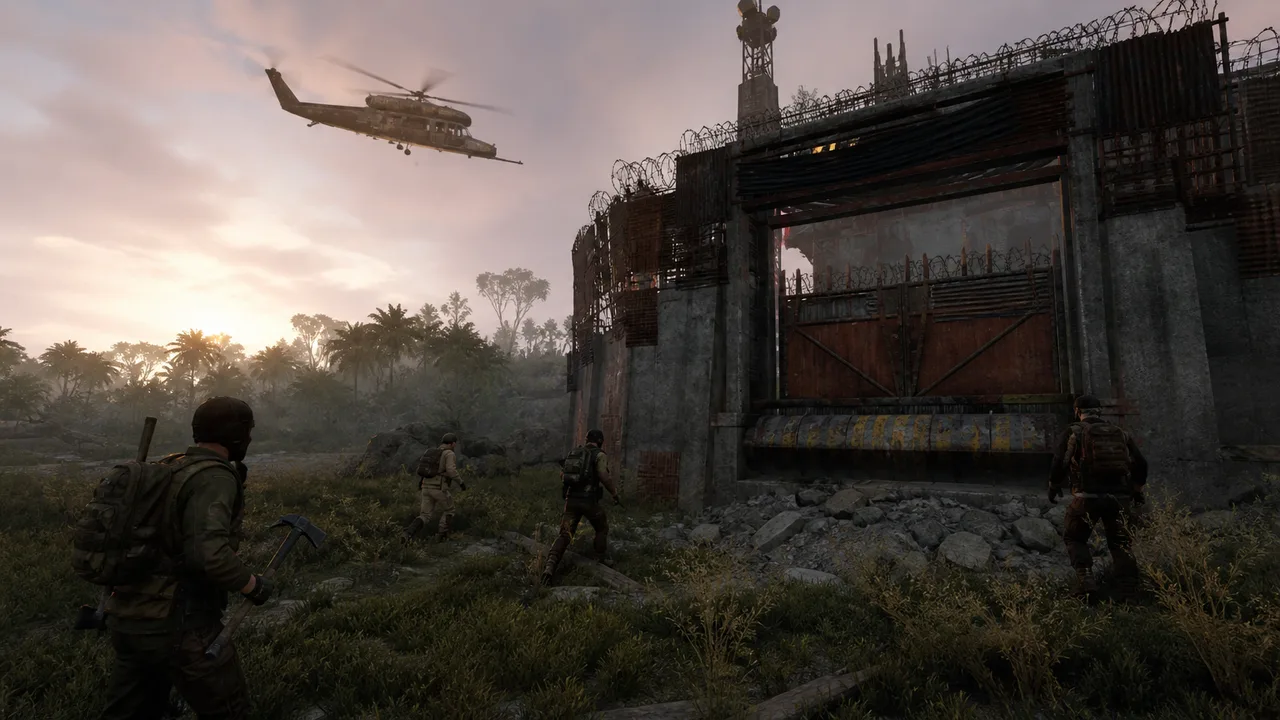
Rust’s September 2026 force wipe landed on 3 September 2026. The confirmed update targets several parts of the wipe cycle at once: early monument progression is less immediate, large groups face higher upkeep, helicopters lose armour under sustained fire, and High Quality Metal has a new but scarce overworld source.
This recap covers only features confirmed for the September 2026 update. Community videos are treated as commentary rather than proof of what shipped.
Red-card monuments now start with blockers
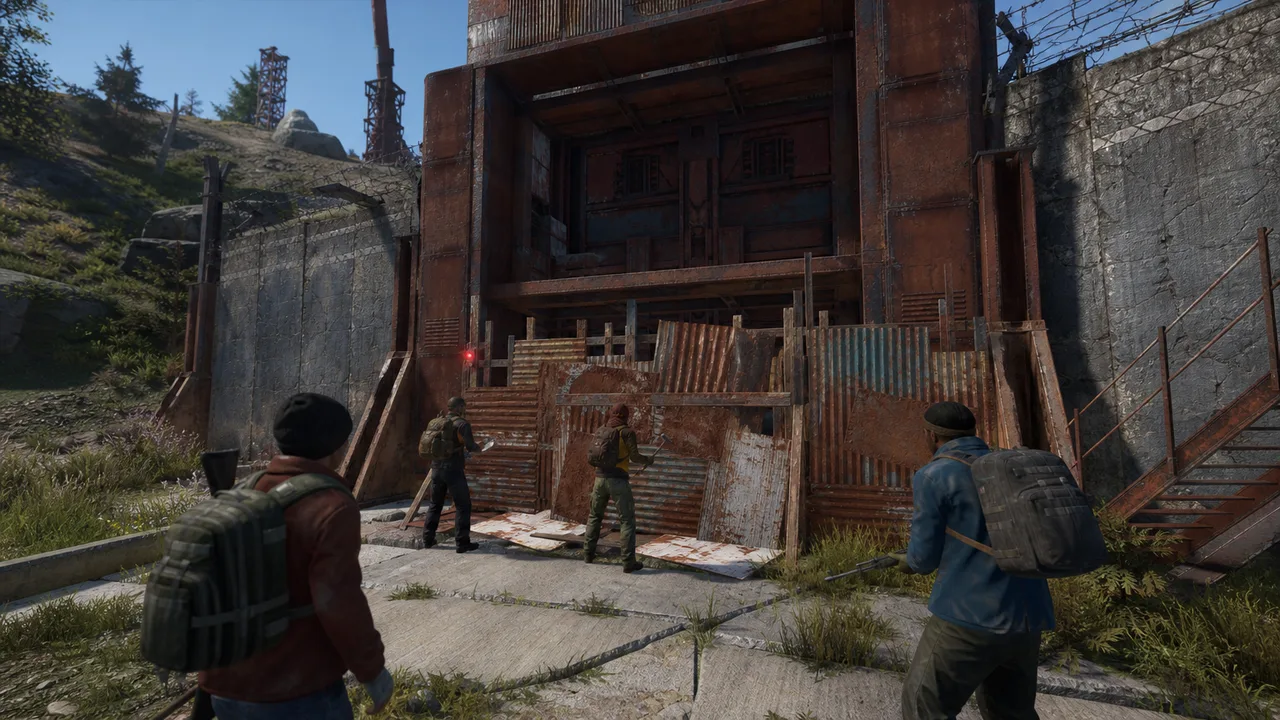
The most visible fresh-wipe change is the arrival of Monument Blockers at monuments containing red-keycard puzzle rooms. These obstacles require substantial damage to destroy, although a handful of weaker blockers can be broken with melee weapons. Once removed, they do not respawn.
Facepunch says the intention is to slow the first players reaching valuable monument loot without dramatically extending overall progression. If blockers survive the opening rush, they begin decaying after the first 24 hours. That makes them primarily a wipe-opening obstacle rather than a permanent monument mechanic.
On fresh servers, early teams must decide whether the ammunition, explosives or time spent clearing a blocker is worth the chance to establish control. Later arrivals may instead encounter a route already opened by another group. Expect contested blockers to become temporary PvP objectives, especially wherever nearby terrain offers defenders a good angle on players doing the damage.
Large groups now pay more upkeep
Tool Cupboards now calculate an additional upkeep tax according to the number of players associated with a base. The count includes players currently authorized on the TC, anyone deauthorized from it during the previous 24 hours, code-lock users including guest-code access, and players removed from those locks during the same 24-hour window.
The first four players add no tax. The next six add 2% each, while every subsequent player adds 4% each. A six-player base therefore pays 4% extra upkeep, and a 12-player base pays 20% extra. The tax is capped at 300%, and the current rate can be checked by hovering over the upkeep cost in the TC.
The 24-hour history means clans cannot instantly avoid the calculation by briefly clearing authorization. For wipe day, larger teams should secure a stronger stone and metal income before committing to oversized compounds. Solos and groups of up to four receive no additional tax from this system. Server owners can modify or disable the behavior through Decay ConVars, so community-server rules may differ.
HQM can now appear in dedicated nodes
High Quality Metal ore nodes and collectables can now spawn around the island. They are officially described as extremely scarce, with the Jungle offering the best chance of finding an HQM node.
This creates another reason to scout the biome during early expansion, but the rarity warning matters: it is not safe to build an entire wipe plan around repeatedly farming these nodes. Treat a discovery as a high-value bonus capable of accelerating armored construction or equipment rather than a guaranteed replacement for established HQM sources.
Attack helicopters and armored HABs can be stripped
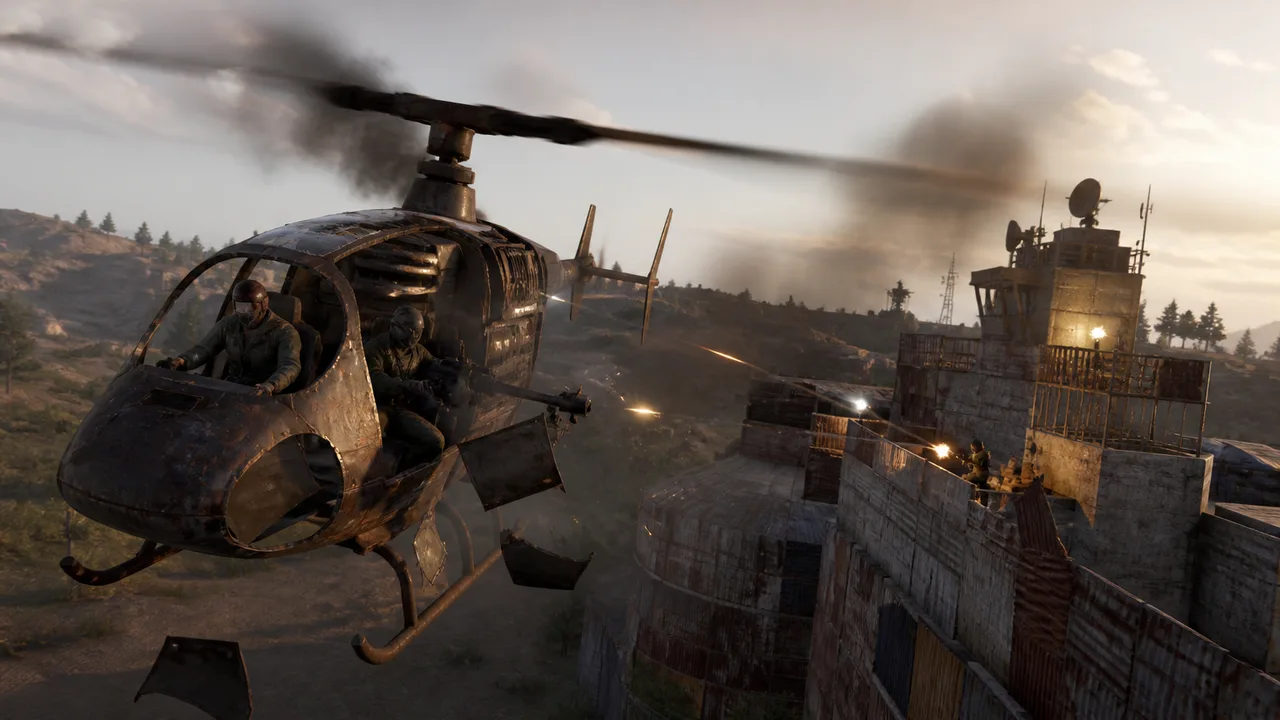
The Attack Helicopter’s cockpit protection now breaks away in stages as the vehicle takes damage, progressively exposing the pilot and gunner. The left panel falls at 80% condition after 680 HP, the right at 70% after 595 HP, and the front at 60% after 510 HP.
Armored Hot Air Balloons receive a similar conditional-armour system. Their left, right, rear and front panels are lost at 90%, 80%, 70% and 60% condition respectively, corresponding to 2,250, 2,000, 1,750 and 1,500 HP.
This makes sustained defensive fire more meaningful. Pilots can no longer assume cockpit armour provides identical protection throughout an engagement, while ground players have a clearer route toward exposing occupants. Damaged aircraft should disengage earlier, and crews attempting repeated close passes over a defended compound are taking a greater risk.
Healing, vehicles and defensive tools changed
The new Medical Honey Bandage is available at Workbench Level 1. It is intended to sit between a regular Bandage and Medical Syringe while giving beekeepers another use for surplus honey. Exact healing statistics were not included in the supplied announcement, so players should check the live item information before calculating a medical loadout.
Modular cars received steering, turning and suspension adjustments, including improvements intended for higher-latency drivers. Pressing CTRL now activates a handbrake, enabling tighter turns, drifting and faster changes of direction.
Radwater has been buffed again when delivered through sprinklers. It penetrates more armour types and can inflict substantial radiation on fully geared players or those with weaker radiation protection, although hazmat suits remain an effective counter. SAM Sites also fire faster missiles with a larger detonation fuse area against hostile drones, making drone attacks less reliable around protected bases.
Marketplace power and Water Treatment maintenance
Drone Marketplace deliveries now depend on the server operating the Power Plant. The marketplace battery charges when at least four fuses are active and begins accepting purchases at 50%. Once charged, one active fuse prevents the battery from draining; if charge falls below 50%, deliveries shut down. The current level appears on the marketplace map screen.
Water Treatment Plant’s maintainable water system has also been simplified. Each fully turned gearbox supplies three real-time hours of pressure, for six hours when both are completed. Water output scales with remaining pressure, and map pipes begin losing water after the tank empties. Pipe availability and IO output were increased, with one pipe intended to perform roughly like two pumps while offering stronger IO push rates.
Smaller balance changes worth planning around
- Heavy Plate Helmet: now suppresses noise when worn, but costs more to craft.
- Heavy Plate Jacket and Pants: movement now makes noise audible to other players.
- Semi-Automatic Pistol: deals less damage at range due to stronger falloff and has a higher crafting cost.
- Grenades: F1, Bee Grenade, Molotov and Flashbang stacks are limited to three; Beancans stack to four.
- Homing Launcher: locks on faster, allowing an earlier shot.
- Components: SMG bodies are slightly more common, while rifle bodies are slightly less common.
- Large Medkit: now removes radiation in line with Medical Syringes.
- Resources and food: swamp trees provide significantly more wood, while several pies have longer durations or adjusted recipes.
Other quality-of-life additions include fertilizer timing in the Composter UI, a paintbrush projection preview, random unlocked skins on crafted items, refreshed flashlight controls and animations, new arrow visuals, and more than 70 dedicated dropped-item world models.
Performance and restart recovery
A network-range audit moved roughly 300 suitable entity types onto a closer networking range, reducing unnecessary client and server traffic without cutting the visibility of objects intended to render at long distances. Physics changes also replace scaling tied heavily to the growing number of world colliders with systems that respond more efficiently to active changes. Facepunch reported doubled performance in one server comparison, but that is an example rather than a guarantee for every server.
Server event saving now better preserves Oil Rig, Cargo Ship, Patrol Helicopter, Bradley and satellite crash-site states across restarts. This should reduce cases where a restart removes event loot or a hackable crate mid-run.
The newer navmesh is not yet universally enabled by default. Facepunch is enabling it on selected servers for monitoring, with broader adoption dependent on results. Players on participating servers may notice animals entering bases or navigating monuments differently.
Cosmetics and community commentary
Wood Chestplate, Pants, Helmet and Gloves are now available as Workshop-skinnable items. The paid Crystal Assault Rifle DLC also comes in five colours and displays ammunition and internal movement while firing. A wipe-day skin overview from Keeno praised several shop designs, but those ratings and purchase recommendations are community opinion.
A separate pre-update community video discussed “Poverty Farms,” aliens and Underwater Labs blockages. Those claims do not appear in the supplied official September update post, so they are not treated as confirmed features in this recap.
What it means for wipe day
Scout red-card monuments before committing resources: another team may already have opened the blocker, while an intact one can turn into a costly and exposed objective. Jungle routes gain extra value because of scarce HQM spawns. Large teams should calculate their real authorization count and increase upkeep farming early instead of discovering the surcharge after expanding.
Defenders should keep pressure on Attack Helicopters because accumulated damage now removes cockpit protection. Drone users need to respect improved SAM interception, while raiders should reconsider grenade inventory layouts around the smaller stack limits. Power Plant activity also matters beyond its immediate area because it controls marketplace availability.
Use the Rust item database and calculators to compare equipment and plan costs, check the next reset through the force-wipe countdown, or put the September changes into practice on our Rust servers.